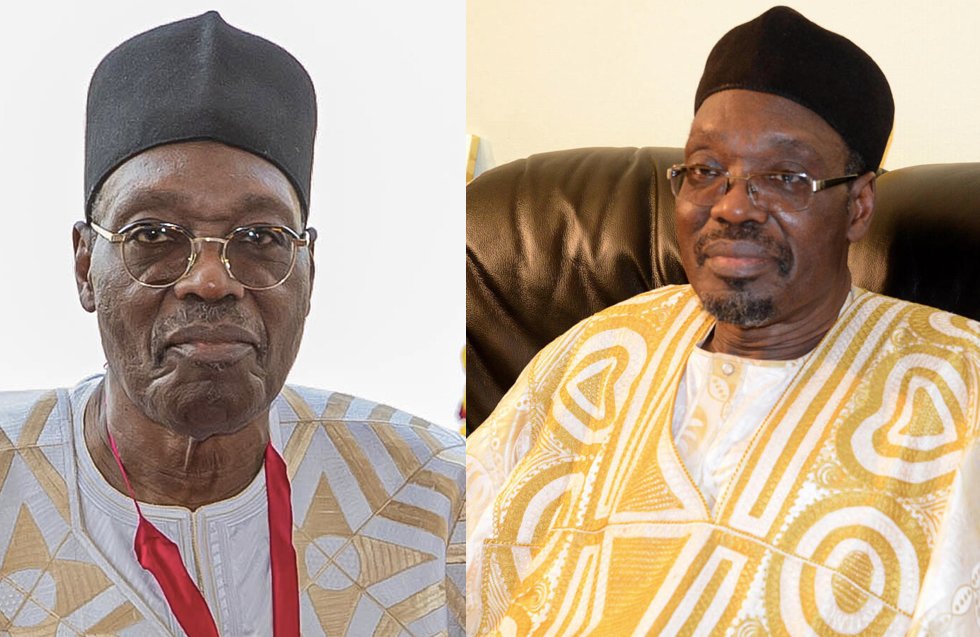
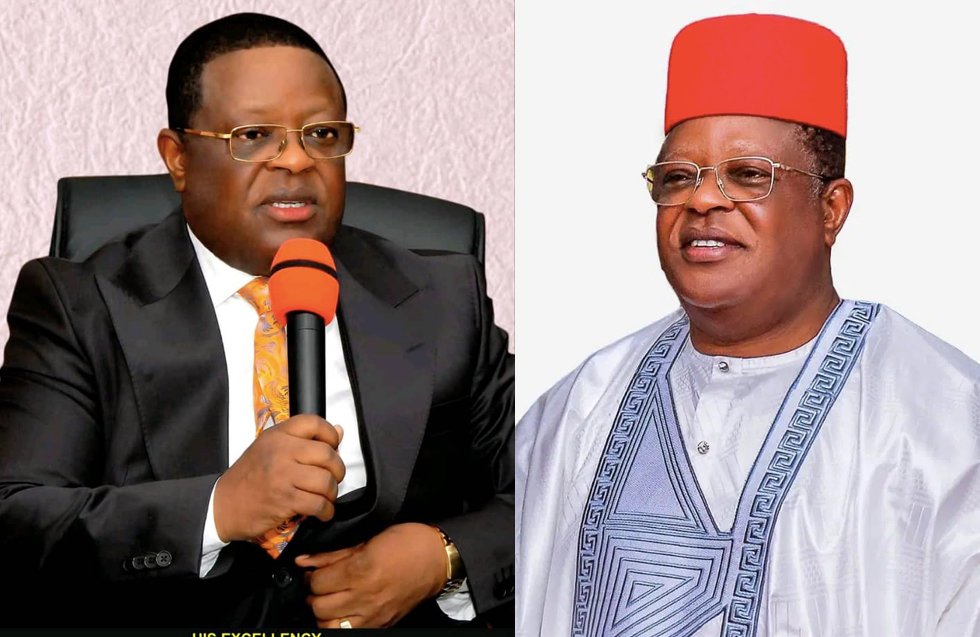
This Brigadier-General M. Uba Biography reveals the commander of the 25 Task Force Brigade, covering his background, career, the Wajiroko ambush, and the conflicting reports about his fate as of November 2025.
Brigadier-General M. Uba is a senior Nigerian Army officer best known for leading the 25 Task Force Brigade, a frontline formation responsible for counter-insurgency operations in Borno State. Over the years, he has become one of the visible field commanders engaged in some of the most intense operations against Boko Haram and ISWAP.
His name entered global headlines in November 2025 after a deadly ambush near Wajiroko village, where his convoy came under heavy fire. The incident triggered a flurry of contradictory reports: while militant groups released statements claiming they had captured and executed him, the Nigerian Army publicly refuted the claim and warned the public to ignore unverified information.
This biography presents a clear, verified account of Brig-Gen Uba’s background, career, and the latest developments concerning the November 2025 attack. It separates confirmed events from militant claims and highlights what is independently verified, what remains unconfirmed, and what major news sources have reported.
Quick Facts
| Field | Latest / Verified Information (Nov 2025) |
|---|---|
| Name | Brigadier-General M. Uba — Commander, 25 Task Force Brigade |
| Role / Unit | Leads the 25 Task Force Brigade, active in Borno operations |
| Incident | Convoy ambushed near Wajiroko; four soldiers confirmed dead |
| Militant Claim | ISWAP says it captured and executed a senior officer |
| Army Response | Nigerian Army denies commander’s abduction; calls reports unverified |
| Verification Status | Conflicting reports; no independent confirmation yet |
| Context | Part of the wider decade-long insurgency in the North-East |
Key Takeaways
- Brig-Gen Uba’s convoy was ambushed during a routine operation near Wajiroko, resulting in confirmed casualties.
- ISWAP released a claim of capture and execution, which received widespread media attention.
- The Nigerian Army rejected the claim and has labelled some circulating reports as fake or unverified.
- As of the last update (17 Nov 2025), there is no neutral, independent confirmation of the militant claim.
Background & Military Career
Brigadier-General Uba built his career within the Nigerian Army as a frontline officer deeply involved in counter-insurgency missions. Although detailed records of his early service are not broadly documented in publicly accessible sources, his most visible position has been as the commander of the 25 Task Force Brigade. This unit is responsible for operations in some of the most challenging environments in Borno State, a region at the heart of Nigeria’s long-running battle with Boko Haram and ISWAP.
In this role, Brig-Gen Uba has been responsible for planning operations, securing supply routes, coordinating brigade movements, and leading field convoys—often into areas with active threats. His reputation is tied to his operational presence on the ground, where commanders regularly face ambushes, IED attacks, and complex militant operations.
Reports from Reuters confirm he personally led the convoy involved in the November 2025 ambush, underscoring his direct involvement in field missions rather than serving solely in supervisory or strategic roles.
The Wajiroko Ambush — What Happened?
The ambush near Wajiroko village occurred late on a Friday evening before November 17, 2025. According to Reuters, Brig-Gen Uba’s convoy was returning from a routine patrol when militants opened fire, leading to a heavy exchange. Four soldiers were confirmed dead during the attack.
Shortly after the ambush, ISWAP released statements and media claiming they had captured and later executed a senior Nigerian military commander. Several international and regional media outlets repeated this claim, amplifying the story across social platforms and newsrooms globally.
However, shortly afterward, the Nigerian Army issued an official rebuttal. According to Reuters and The Jerusalem Post, military authorities insisted no officer was abducted during the ambush and urged Nigerians to ignore the circulating narratives. They described some of the viral reports as misleading and false.
Due to the rapid spread of conflicting statements and the absence of neutral verification, the true status of Brig-Gen Uba remains uncertain as of the latest reporting.
Why These Reports Conflict
Conflicting claims after major ambushes are common in conflict zones like northeast Nigeria. Militant groups often release propaganda to create confusion, intimidate communities, or gain psychological advantage by claiming high-profile captures or killings. On the other hand, military institutions may delay or withhold sensitive information while investigations are ongoing or until next of kin are informed.
In this case, Reuters made an important clarification: although militants claimed responsibility and circulated execution claims, there was no independent verification available at the time. This gap in verification explains why major outlets, including Reuters, The Jerusalem Post, and SaharaReporters, carried differing narratives.
Readers are therefore encouraged to treat militant claims with caution until reliable confirmation emerges from independent observers or official documentation.
Human and Security Impact of the Incident
Regardless of the conflicting reports about the commander’s fate, the ambush had significant consequences. Soldiers lost their lives, and the attack underscored the persistent danger faced by military personnel operating in the region. Such incidents can weaken local security, increase fear within communities, and trigger shifts in military strategy.
Ambushes of this nature often lead to broader operational changes, including increased air support, revised patrol routes, and heightened surveillance efforts. If a senior commander was indeed captured or killed, the symbolic and psychological impact on troops could be considerable, making verification and clarity even more important.
Recommended Approach for Interpreting Ongoing Updates
To avoid misinformation, readers and publishers should continue relying on verified sources. Cross-referencing is crucial:
- Check updates from international agencies such as Reuters.
- Confirm statements released directly by the Nigerian Army or Defence Headquarters.
- Avoid sharing unverified images or footage circulating online.
- Understand that propaganda—on both sides—can influence early reporting.
This careful approach ensures that developments are interpreted responsibly, especially when dealing with reports concerning high-ranking officers.
Career Milestones Table
| Year / Period | Milestone |
|---|---|
| — | Commander, 25 Task Force Brigade, Borno State |
| — | Led frontline counter-insurgency patrols and secured key operational routes in the northeast |
| Nov 2025 | Convoy ambushed near Wajiroko; conflicting reports emerge regarding his fate; Nigerian Army issues denial of abduction claim |
Conclusion
Brigadier-General M. Uba is a frontline Nigerian Army commander whose name has become central to one of the most widely discussed security incidents of 2025. While the ambush near Wajiroko is confirmed, claims regarding his capture and execution by ISWAP remain unverified. Major international news outlets, including Reuters, have highlighted the lack of independent confirmation, and the Nigerian Army has formally rejected reports of his abduction.
Until official or independently verified information is released, the situation remains unclear. What is certain, however, is that the incident reflects the continued dangers faced by military personnel in Nigeria’s northeast and the complex information environment surrounding insurgency-related reporting.
Frequently Asked Questions
1. Has Brig-Gen M. Uba been confirmed dead?
No. As of November 17, 2025, there is no independent confirmation. Militants claim execution, but the Army denies he was abducted.
2. Which sources reported the conflicting information?
Reuters reported both the militant claim and the Army’s denial. SaharaReporters and The Street Journal amplified the militant version, while official sources dismissed it.
3. Where did the ambush occur?
Near Wajiroko village in Borno State, during a return patrol operation. Four soldiers were confirmed killed.
4. Why do such conflicting reports occur in insurgency zones?
Limited access, propaganda, delayed verification, and high-risk environments often lead to conflicting early reports.
5. How should readers interpret updates on this incident?
Always cross-check with reputable sources, rely on official statements, and treat unverified militant claims with caution.