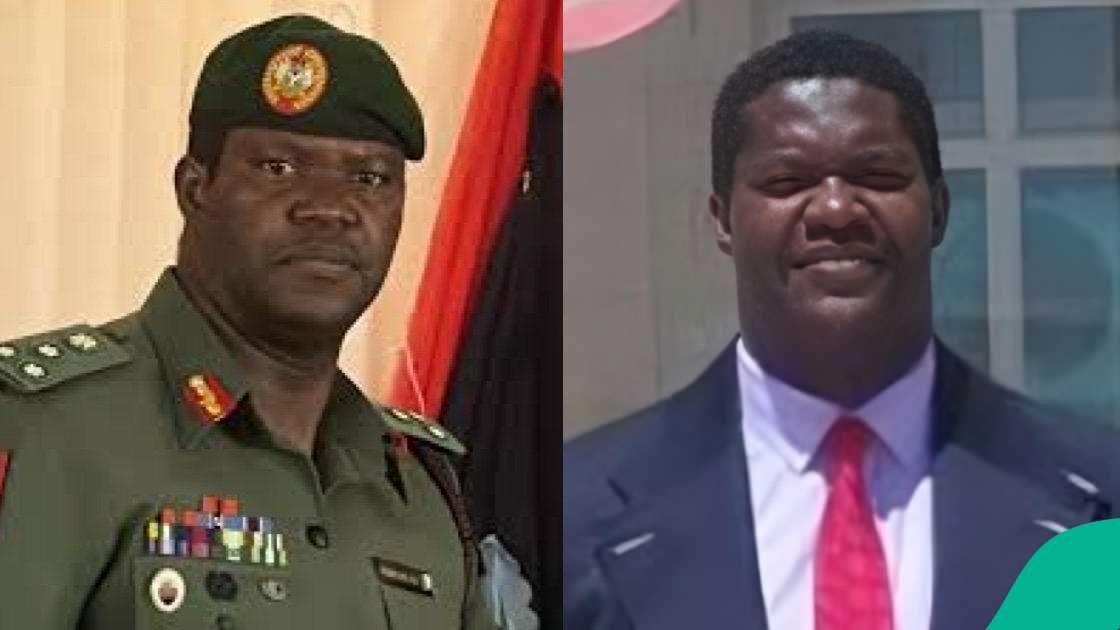
Col. I.A. Muhammad Biography: Death, Age, Family, Career & Sacrifice
Col. I.A. Muhammad biography – Brave Nigerian Army colonel killed in Boko Haram ambush on April 12, 2026 in Monguno, Borno State. Discover his military career, heroic sacrifice, and legacy.
Who is Col. I.A. Muhammad?
Col. I.A. Muhammad was a dedicated Nigerian Army officer who paid the ultimate price in service to his nation. Serving with the 242 Battalion in Borno State, he exemplified the courage and selflessness expected of military leadership in Nigeria’s prolonged battle against insurgency. His life was tragically cut short on the night of April 12, 2026, when Boko Haram terrorists ambushed his convoy during a critical reinforcement mission in Monguno, Borno State.
As a senior commander operating in Sector 3 of Operation HADIN KAI, Nigeria’s counter-insurgency campaign in the North-East, Col. Muhammad demonstrated exceptional bravery and commitment to protecting his troops and the civilian population. His death came during one of the deadliest periods for Nigerian military leadership, occurring just days after Brigadier General Oseni Braimah was killed in a similar attack on April 9, 2026.
The circumstances surrounding Col. Muhammad’s death highlight the dangerous reality faced by Nigerian soldiers fighting Boko Haram and its affiliate, the Islamic State West Africa Province (ISWAP). When insurgents launched a coordinated nighttime assault on a Forward Operating Base under his command, he didn’t hesitate—he mobilized reinforcements and led from the front, a decision that cost him his life but potentially saved many others.
Military sources described him as a fearless and dedicated leader who embodied the highest ideals of military service. His willingness to move towards danger rather than away from it, even after initial threats had been neutralized, demonstrated the character that defined his military career. Col. Muhammad’s sacrifice adds his name to the growing list of senior officers who have fallen in Nigeria’s 17-year fight against terrorism.
Quick Facts About Col. I.A. Muhammad
| Category | Details |
|---|---|
| Full Name | Col. I.A. Muhammad (full name not publicly disclosed) |
| Rank | Colonel |
| Military Unit | 242 Battalion, Nigerian Army |
| Operation | Operation HADIN KAI (Sector 3) |
| Location of Service | Monguno, Borno State, North-East Nigeria |
| Date of Death | April 12, 2026 (night of Sunday, April 12) |
| Cause of Death | Killed in Boko Haram ambush (IED explosion) |
| Age at Death | Not publicly disclosed |
| Circumstances | Leading reinforcement mission during terrorist attack |
| Other Casualties | 21 soldiers killed alongside him |
| Type of Attack | Coordinated assault with remotely detonated explosives |
| Military Status | Killed in action (KIA) |
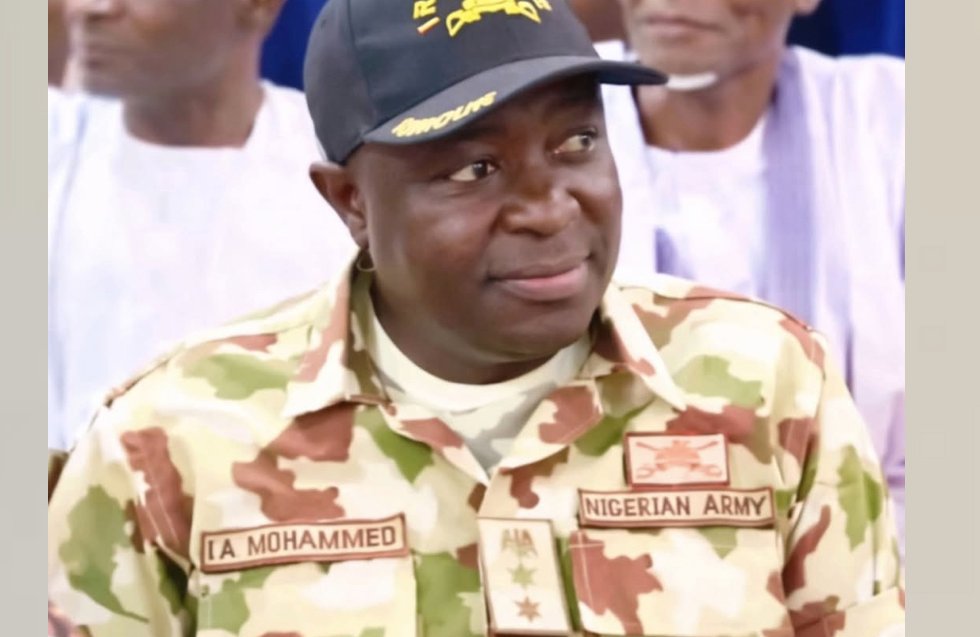
Military Career and Service
Commitment to Operation HADIN KAI
Col. I.A. Muhammad served as a senior commander within Operation HADIN KAI, the Nigerian military’s flagship counter-insurgency operation in the North-East. This operation, whose name translates to “Operation Enduring Peace,” represents Nigeria’s comprehensive military response to the Boko Haram insurgency that has plagued the region since 2009.
As a colonel commanding troops in Sector 3, he held significant responsibility for maintaining security across a volatile region where insurgent activities remain intense. The 242 Battalion, to which he and his men were attached, operates in Borno State—the epicenter of Nigeria’s insurgency crisis and the birthplace of Boko Haram.
His position required not just military expertise but also strategic thinking, as commanders in the North-East must constantly adapt to evolving terrorist tactics including suicide bombings, improvised explosive devices, and increasingly sophisticated weapons like armed drones.
Leadership Philosophy
Military sources who confirmed his death to various news outlets emphasized Col. Muhammad’s leadership approach. He was known for leading from the front rather than commanding from safety, a quality that earned him respect from subordinates but also exposed him to significant danger.
The official military statement described his actions as reflecting “the highest traditions of military leadership; courage, selfless service, and leading from the front.” His willingness to personally lead the reinforcement mission on that fateful night, despite knowing the risks, exemplified this philosophy.
This hands-on leadership style, while admirable and effective in building troop morale, unfortunately contributed to his death. However, military experts note that such leadership is often necessary in counter-insurgency operations where soldiers’ confidence in their commanders can mean the difference between mission success and failure.
Operational Experience
While specific details of Col. Muhammad’s previous operations and career progression remain limited in public records, his rank indicates years of dedicated service and successful command experience. Colonels in the Nigerian Army typically have 15-20 years of service and have demonstrated exceptional competence across various assignments.
His posting to the 242 Battalion in Borno State placed him at one of the most dangerous frontlines in Africa. The Monguno area has been a persistent hotspot for terrorist activity, with Boko Haram and ISWAP frequently targeting military installations in the region.
The Fatal Ambush: April 12, 2026
The Initial Attack
On the night of Sunday, April 12, 2026, Boko Haram insurgents launched a coordinated assault on a Forward Operating Base (FOB) connected to the 242 Battalion in Monguno. The timing of the attack—late at night—is typical of insurgent tactics designed to exploit reduced visibility and create maximum confusion.
The insurgents focused their assault on the smaller but strategically critical FOB, overwhelming the stationed troops and prompting desperate calls for reinforcement. This pattern of attacking isolated outposts has been a recurring Boko Haram strategy, designed to stretch military resources and create opportunities for ambush.
Col. Muhammad’s Response
Upon receiving distress calls from the besieged FOB, Col. Muhammad immediately mobilized a reinforcement team. Military sources told reporters that “as a committed commander, he mobilised to lead reinforcement to the location,” demonstrating his characteristic hands-on leadership approach.
Rather than dispatching subordinates while remaining at a secure location, he personally led the convoy towards the embattled position. This decision reflected his belief in leading by example and his commitment to his soldiers’ welfare—a commitment that would cost him his life.
The Deadly Ambush
The insurgents had anticipated the reinforcement attempt and prepared accordingly. Along the route to the FOB, they planted remotely detonated improvised explosive devices (IEDs), creating a deadly kill zone for the responding forces.
As Col. Muhammad’s convoy moved to relieve the attacked FOB, the insurgents triggered the explosives. The blast was devastating—reports indicate the Colonel was killed instantly in the explosion, along with approximately 21 soldiers accompanying him. The total death toll from both the initial FOB attack and the subsequent ambush reached at least 22 military personnel.
The use of remotely detonated IEDs represents an evolution in Boko Haram tactics. These sophisticated explosive devices allow insurgents to time detonations precisely, maximizing casualties while minimizing their own exposure to counterattack.
Military Confirmation
The Nigerian Army officially confirmed the attack on Monday, April 13, 2026, through a statement signed by Lieutenant Colonel Sani Uba, Media Information Officer for Headquarters Joint Task Force (North East), Operation HADIN KAI. The statement acknowledged that troops “came under a coordinated attack late on April 12, 2026.”
The military’s statement paid tribute to Col. Muhammad’s bravery: “His actions, even after the immediate threat had been neutralised, reflected the highest traditions of military leadership; courage, selfless service, and leading from the front. His willingness to move towards the troops in the heat of the battle, despite the prevailing danger, stands as a profound testament to his valour, sense of duty, and unwavering commitment to the welfare and operational effectiveness of his men.”
Part of a Deadly Pattern
Recent Escalation of Attacks
Col. Muhammad’s death occurred during a particularly deadly period for Nigerian military leadership. He became at least the sixth senior officer killed by Boko Haram elements in less than two weeks, highlighting an alarming escalation in insurgent capabilities and targeting of high-ranking personnel.
Just three days earlier, on April 9, 2026, Brigadier General Oseni Braimah was killed during an insurgent assault on a military base in Benisheikh, Borno State. That attack also claimed the lives of several other soldiers, demonstrating Boko Haram’s renewed operational effectiveness.
Earlier in April 2026, other senior officers had fallen in similar circumstances. On March 9, 2026, Lieutenant Colonel Umar Farouq was killed when insurgents overran a military base in Kukawa Local Government Area, Borno State, setting vehicles ablaze and looting weapons.
Evolving Terrorist Tactics
The attacks that killed Col. Muhammad and other recent casualties demonstrate concerning tactical evolution by insurgent forces. The coordinated nature of these assaults—combining initial attacks with prepared ambushes for reinforcements—shows sophisticated planning and intelligence gathering capabilities.
The increasing use of armed drones by insurgents, confirmed in the official military statement about the April 12 attack, represents a significant escalation. These drone-assisted operations allow terrorists to conduct reconnaissance, coordinate attacks more effectively, and potentially deliver explosives with greater precision.
The remotely detonated IEDs that killed Col. Muhammad also reflect growing technical sophistication. These devices require knowledge of electronics, explosives, and tactical timing—skills that suggest either foreign training or the presence of technically proficient fighters within insurgent ranks.
National Response and Presidential Statement
Government Reaction
President Bola Ahmed Tinubu, who has repeatedly vowed to intensify Nigeria’s response to insurgent violence, has been briefed on the escalating casualties among senior military officers. The President’s administration faces mounting pressure to demonstrate more effective counter-insurgency strategies as the death toll continues rising.
The Defence Headquarters issued a statement expressing condolences and emphasizing that “the courage of the fallen soldiers will forever remain a source of pride and inspiration to the Armed Forces of Nigeria and the entire nation.” This acknowledgment reflects the government’s recognition of the sacrifices being made by military personnel in the North-East.
Calls for Strategy Review
The clustering of senior officer deaths in such a short period has prompted calls from security analysts and retired military officers for a comprehensive review of Nigeria’s counter-insurgency strategies. Critics argue that predictable patterns in military operations may be allowing insurgents to effectively target high-value personnel.
Some analysts have specifically questioned whether the concentration of senior officers in forward positions, while demonstrating leadership commitment, may be exposing Nigeria’s military command structure to excessive risk. The loss of experienced colonels and brigadiers represents not just individual tragedies but also the depletion of institutional knowledge and leadership capacity.
Legacy and Military Tribute
Embodiment of Military Values
Col. I.A. Muhammad’s final actions embodied core military values that Nigerian armed forces seek to instill in every officer: courage in the face of danger, selfless service above personal safety, and unwavering commitment to the mission and subordinates’ welfare.
The military’s official tribute emphasized these qualities: “His willingness to move towards the troops in the heat of the battle, despite the prevailing danger, stands as a profound testament to his valour, sense of duty, and unwavering commitment to the welfare and operational effectiveness of his men.”
Impact on Fellow Soldiers
For soldiers serving alongside Col. Muhammad and those who knew him, his death serves as both a profound loss and a source of inspiration. Fellow officers have privately expressed that his example of leadership reinforces their own commitment to the difficult mission in the North-East, even as it reminds them of the very real dangers they face daily.
The circumstances of his death—leading from the front during a crisis—align with the military ethos that officers share the risks borne by their subordinates. This alignment between values and actions earns the respect necessary for effective command in combat situations.
Broader Significance
Col. Muhammad’s sacrifice represents the broader toll that Nigeria’s 17-year insurgency has taken on the nation’s military. Since Boko Haram launched its campaign in 2009, thousands of Nigerian soldiers have been killed, with senior officers increasingly targeted as insurgents seek to disrupt military command structures.
His death highlights the ongoing challenges facing Nigeria’s security forces: an adaptive enemy, difficult terrain, stretched resources, and the psychological toll of prolonged conflict. It also underscores the dedication of officers who continue serving despite these challenges and the very real possibility of making the ultimate sacrifice.
The Continuing Insurgency Challenge
17 Years of Conflict
The insurgency that claimed Col. Muhammad’s life began in 2009 when Boko Haram, led by Mohammed Yusuf, launched an uprising against the Nigerian government. The group’s name roughly translates to “Western education is forbidden,” reflecting its ideological opposition to Western influence and secular governance.
Since then, the conflict has evolved from sporadic attacks to a full-scale insurgency involving territory seizure, mass kidnappings, suicide bombings, and sustained military campaigns. The emergence of ISWAP as a Boko Haram splinter group in 2016 further complicated the security landscape, creating two distinct but sometimes cooperating terrorist organizations.
Human Cost
The human cost of this prolonged conflict extends far beyond military casualties. Estimates suggest tens of thousands of civilians have been killed, millions displaced from their homes, and entire communities disrupted across Borno, Yobe, and Adamawa states—the region’s most affected areas.
For the Nigerian military, the toll includes not just combat deaths but also injuries, psychological trauma, and the strain on military families who endure long separations and constant worry. The deaths of senior officers like Col. Muhammad particularly impact morale, as these losses represent both personal tragedy and professional setback.
Ongoing Operations
Despite these challenges, Nigerian security forces continue operations against insurgent groups. Operation HADIN KAI, under which Col. Muhammad served, represents the latest iteration of counter-insurgency efforts, building on lessons from previous operations like Operation LAFIYA DOLE.
Military spokesmen regularly report tactical successes, including insurgent surrenders (over 100,000 reported by mid-2023), territory recovered, and weapons seized. However, the persistence of attacks like the one that killed Col. Muhammad demonstrates that the insurgency remains far from defeated.
Remembering a Hero
Col. I.A. Muhammad’s name now joins a solemn roll call of Nigerian military officers who have given their lives in defense of their nation. While many details of his personal life remain private out of respect for his family, his professional legacy is clear: he was a committed officer who led with courage and died doing his duty.
His sacrifice occurred in the context of Nigeria’s most challenging security crisis, fighting an enemy that deliberately targets both military personnel and civilians. The manner of his death—leading reinforcements to aid embattled troops—exemplifies the selfless service that military personnel worldwide are called to render.
For Nigeria, Col. Muhammad’s death serves as both a painful reminder of the ongoing cost of insurgency and a tribute to those who continue fighting despite knowing the risks. His example will likely be referenced in military academies and training programs as embodying the leadership and sacrifice expected of Nigerian Army officers.
Common Questions About Col. I.A. Muhammad
What was Col. I.A. Muhammad’s full name?
The full name behind the initials “I.A.” has not been publicly disclosed in official military statements or media reports, likely to protect family privacy.
When was Col. I.A. Muhammad killed?
He was killed on the night of Sunday, April 12, 2026, during a Boko Haram ambush in Monguno, Borno State, while leading a reinforcement mission.
What military unit did Col. I.A. Muhammad command?
He served with the 242 Battalion of the Nigerian Army, operating under Sector 3 of Operation HADIN KAI in Borno State.
How many soldiers died with Col. I.A. Muhammad?
Reports indicate that approximately 21 soldiers were killed alongside Col. Muhammad in the ambush, with some sources suggesting the total death toll from both the initial attack and ambush reached at least 22 personnel.
What caused Col. I.A. Muhammad’s death?
He was killed instantly by a remotely detonated improvised explosive device (IED) that Boko Haram insurgents had planted along the route his reinforcement convoy was taking to relieve an attacked Forward Operating Base.
Was Col. I.A. Muhammad the only senior officer killed recently?
No, he was one of at least six senior officers killed by Boko Haram within a two-week period in April 2026, including Brigadier General Oseni Braimah who died on April 9, 2026.